Not all lines are the same
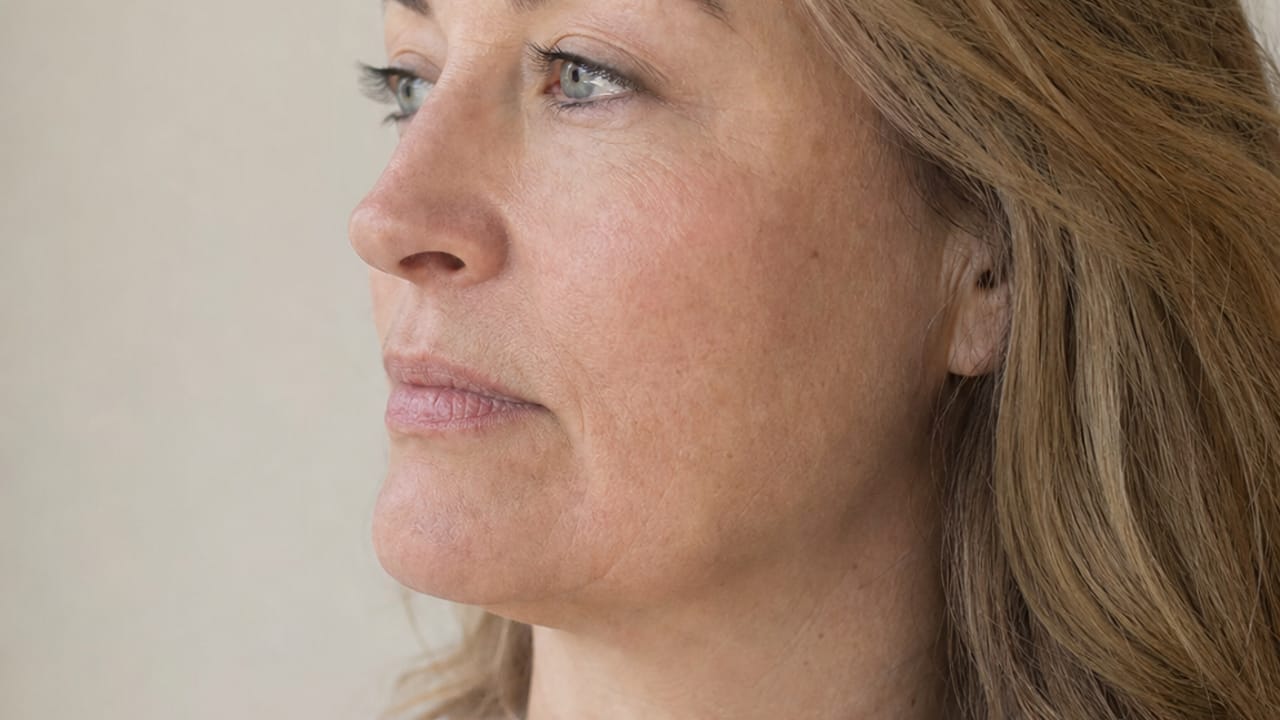
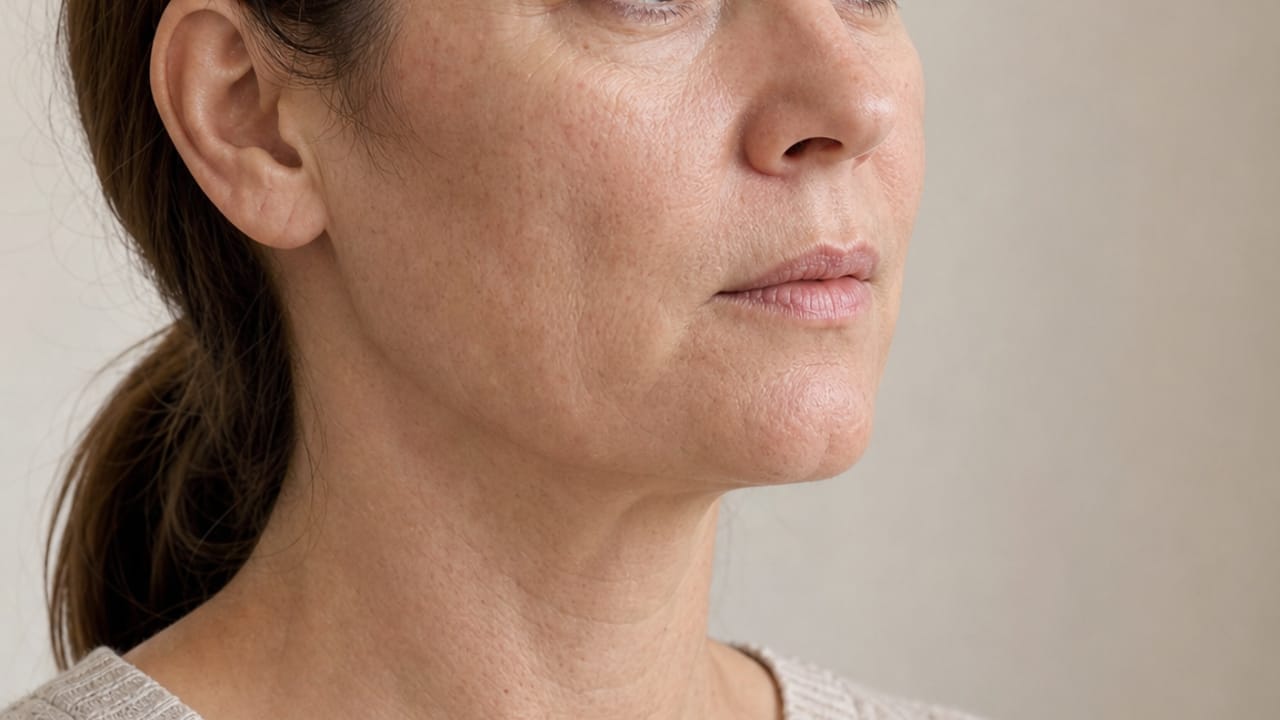
Facial lines can reflect repeated movement, skin-surface change, and changes in support or volume. These influences may overlap, so a line seen in one area does not automatically have one cause or one universal answer.
Journal
Clinical essays, campaign notes, and practical guidance from Dr Souphi Samizadeh. Each piece is written to help patients understand the reasoning behind careful aesthetic and wellbeing care.
16
Published articles
Editorial spine
The journal supports the campaign's owned content spine: research-led, patient-safe, and focused on the decisions that shape better outcomes.
Facial lines can reflect repeated movement, skin-surface change, and changes in support or volume. These influences may overlap, so a line seen in one area does not automatically have one cause or one universal answer.
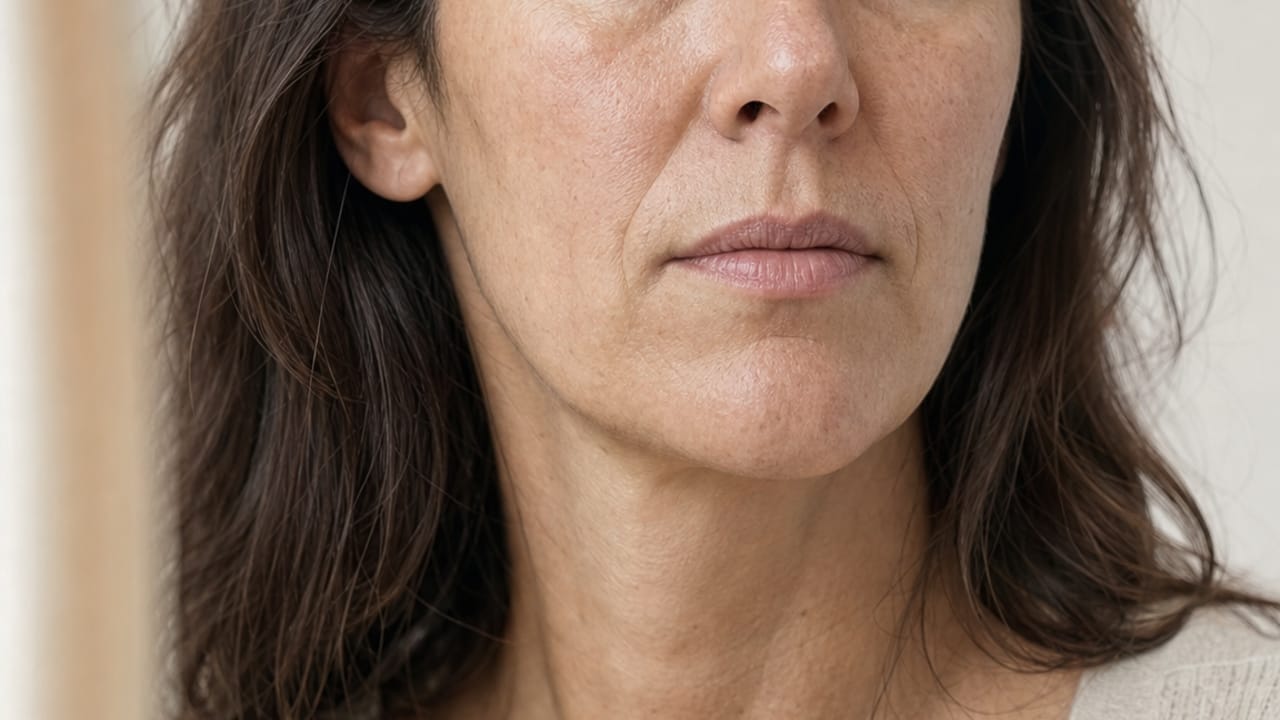
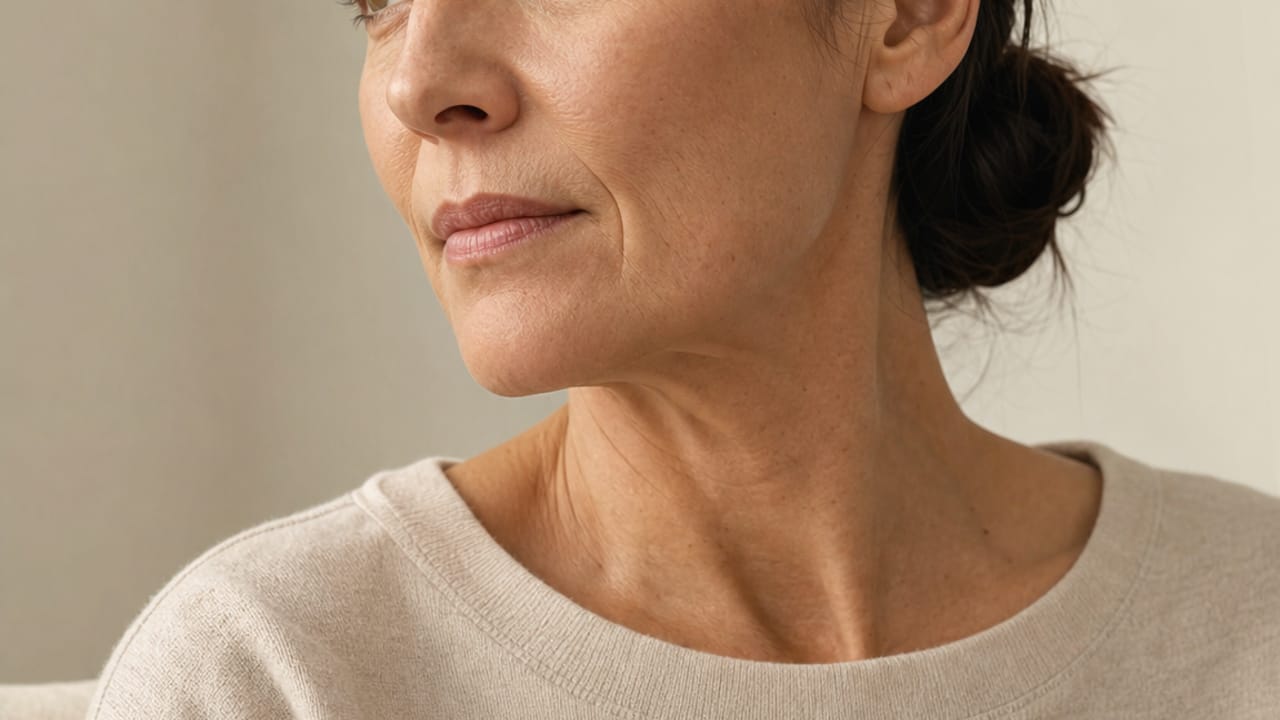
A softer jawline is not one diagnosis or one anatomical problem. Lower-face definition reflects structure, soft tissue, movement and skin quality. Understanding these overlapping contributors helps set realistic expectations for an individual assessment.
“Natural-looking” is often used as though it has one shared definition. In my practice, the more useful conversation begins by exploring what that phrase means to the individual: what they value, what they would prefer to preserve, and what degree of change feels comfortable.
A line, shadow or contour change can involve more than one facial layer. Understanding the limits of each option can make waiting, further assessment or no treatment a considered outcome.
A considered aesthetic consultation looks beyond one line or feature. It brings together whole-face anatomy, the changes you have noticed, your priorities, relevant medical history and realistic limits, before considering whether any approach is appropriate for you.
Dr Souphi Samizadeh considers how words such as natural-looking, refreshed and subtle can become more useful when they are explored through individual preferences, boundaries and expectations.
Natural-looking is personal, not a fixed facial template. Facial layers, changing proportions and the limits of different options all matter when facial contour is discussed.
A softer jawline, folds or reduced definition can be noticeable, but they are not automatically signs that more volume is needed. Lower-face contour reflects several interacting facial layers, and the balance of change differs from person to person.
A visible change in facial contour can invite a quick conclusion. This guide explains why understanding the concern, facial anatomy and individual variation comes before deciding whether treatment, observation or no treatment is appropriate.
A relationship-led view of consultation, continuity, and discretion.
Dr Souphi Samizadeh explores aesthetic decision-making as an evolving conversation, shaped by personal priorities, realistic expectations and thoughtful planning.
A factual note on professional service and patient trust, with no endorsement implied.
“Natural-looking” is often used as though it has one agreed meaning. In practice, it is a personal preference best explored through careful reflection, clear communication and realistic expectations.
A calm explanation of assessment, planning, and when no treatment may be right.
A considered guide to choosing clinical judgement, restraint, and continuity.
In this Foundations journal essay, Dr Souphi Samizadeh explains why a considered consultation can help patients approach aesthetic medicine with clarity, restraint and continuity rather than pressure or haste.